Behind the label
From a visual idea to the details that need checking.
Why packaging references, approved artwork and confirmed product specifications each have their own role.
Know what you are reviewing.
A packaging reference is useful for discussing an idea. It can show a color direction, a type treatment or the relationship between a brand name and a flavor name. It does not, on its own, establish the final specification of the product it represents.
At the beginning of a project, make the review question explicit. Are you deciding on the visual direction, reviewing the wording or approving a final production file? Keeping that question visible helps everyone give feedback on the right thing.
Give each review a clear purpose.
A visual review can concentrate on recognition, hierarchy and readability. Check whether the brand is easy to identify, whether flavor names are distinct and whether the design still works at a small size. This stage can use references that are clearly marked as drafts.
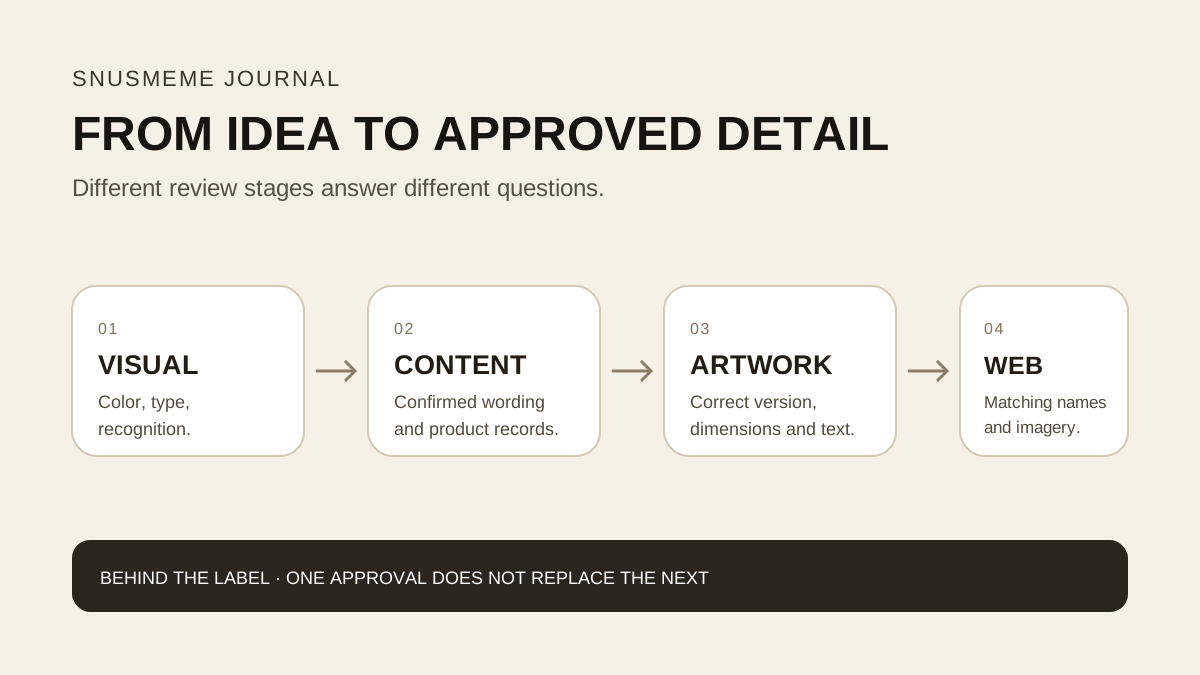
A content review should use the confirmed information for the actual product and intended market. A final file review then checks that the approved content is present in the correct artwork version. These are related tasks, but finishing one does not automatically finish the others.
- Visual direction: color, typography, spacing and recognition.
- Content: wording checked against the agreed product documentation.
- Final artwork: the correct version, dimensions and approved text.
- Website presentation: a consistent name and the appropriate final imagery.
Keep one source for approved information.
Files often travel through several conversations. A simple record of the file name, version, review owner and approval status reduces the chance that an old reference is mistaken for the final design. Keep open questions next to the file they concern.
When something changes, check the connected surfaces as well. A revised flavor name may need to be reflected in the product listing, the detail page, the inquiry form and the packaging artwork. Matching these details makes the handover easier to follow.
Close the review with a clear handover.
Before a design moves to its next stage, record what has been approved and what still needs confirmation. Avoid using a general statement such as “looks good” as the only record when several different decisions are involved.
A useful handover can be brief: identify the approved file, state the purpose of the approval and list any remaining work. That small habit protects the creative direction while making room for accurate information in the final result.