Health & evidence
Nicotine Pouches: Health Risks and Evidence Limits
What current evidence shows about nicotine dependence, developmental risks, and the uncertainties that remain.
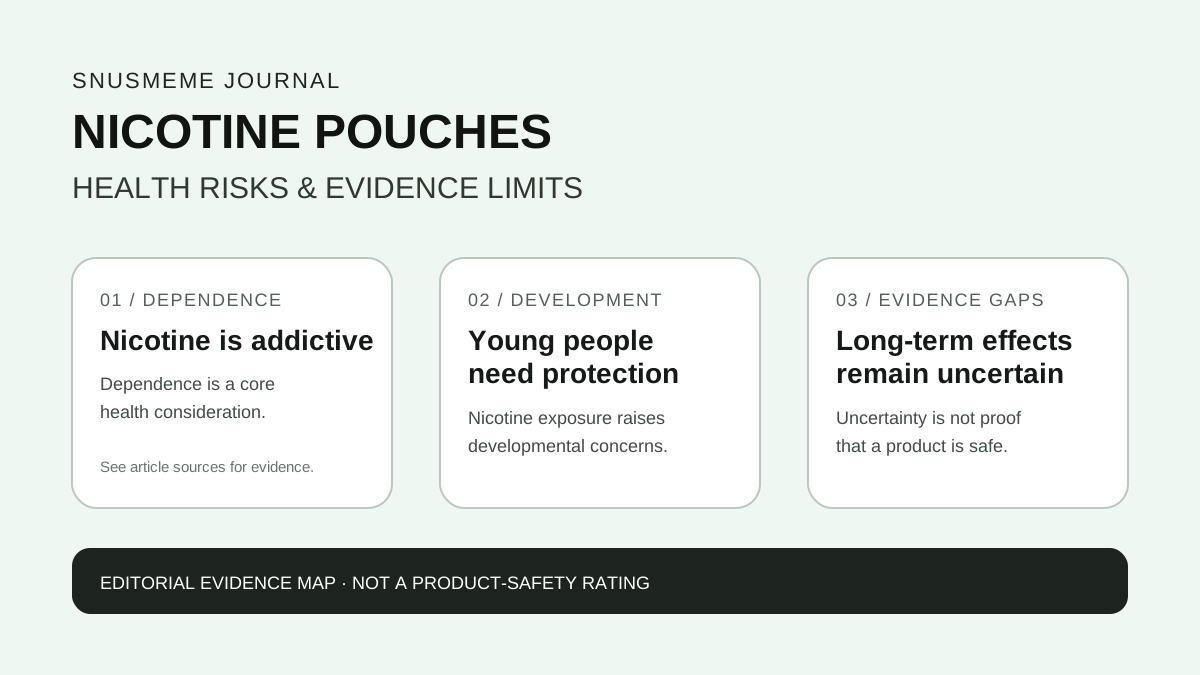
Nicotine is highly addictive.
Nicotine pouches are a category of small pouches containing nicotine and other ingredients. This general definition does not verify the composition of a particular Snusmeme version.
Nicotine is highly addictive. The CDC overview of nicotine pouches describes how dependence can develop in young people even without daily use. The amount in a pouch and a product's long-term effects are separate questions.
People who do not currently use tobacco products, including nicotine pouches, should not start.
Nicotine affects brain development.
The brain continues developing into young adulthood. Nicotine can interfere with adolescent attention, learning, mood and impulse control. It can also harm fetal development, making exposure during pregnancy a concern.
Long-term effects remain uncertain.
The short- and long-term effects of nicotine pouches are still being studied. Gaps in evidence do not establish that a product is safe.
Not approved for quitting smoking.
In the United States, nicotine pouches are not FDA-approved smoking-cessation treatments. This distinction does not establish product safety or approval elsewhere. People seeking help to stop smoking should discuss established treatment options with a healthcare professional.
For a separate explanation of household exposure risks, read preventing accidental nicotine pouch exposure. Package numbers also need a clear measurement basis, as explained in understanding pouch labels and units. Neither article establishes the safety of a particular product.
Sources and further reading.
- Nicotine PouchesCenters for Disease Control and Prevention (CDC) · Accessed

