B2B DISTRIBUTION GUIDE
Pouch Distribution: How to Build a Market Launch Brief
A distribution introduction is easier to evaluate when it explains the market opportunity, channel access and assumptions behind the request instead of asking for territory rights first.
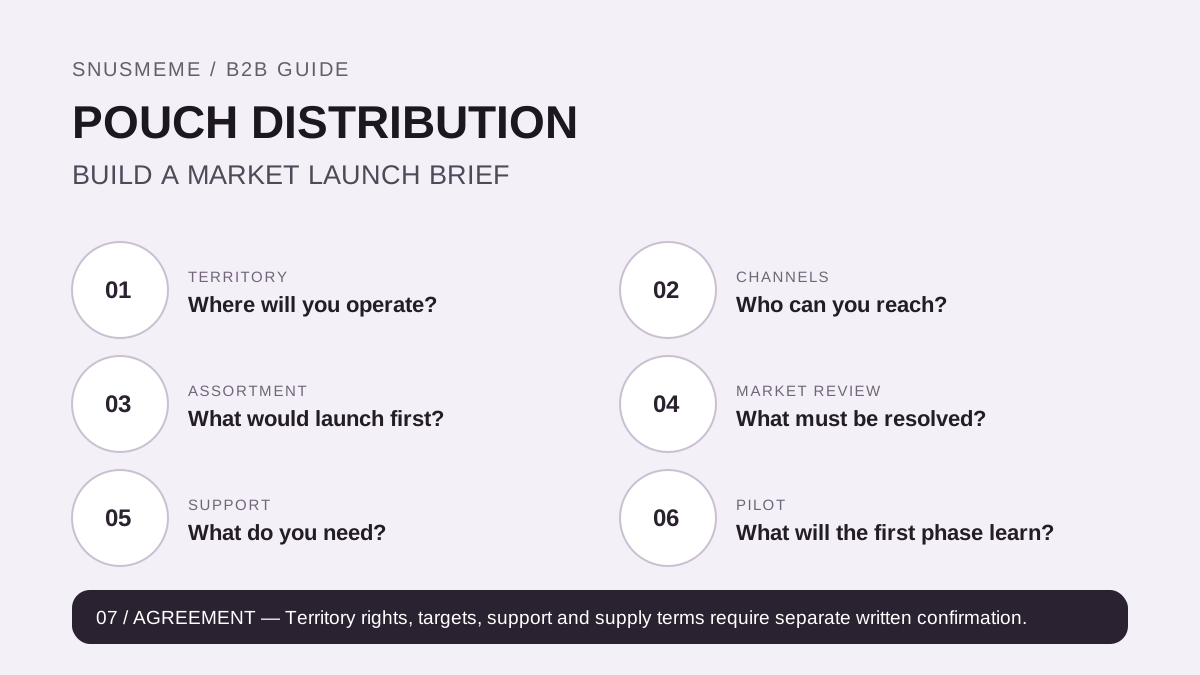
1. Define the territory precisely.
Start with the country or territory you actually want to develop. If the proposal covers more than one market, explain why they belong in the same plan and which one would launch first. A broad regional request without a route-to-market explanation is difficult to assess.
Include where your company is based, where stock would be imported or received, and the geographic area your sales team can realistically support. The Markets page provides a separate checklist for destination-specific product and documentation questions.
2. Show the channels you can actually reach.
List the sales channels you operate today rather than only the channels you hope to enter later. Examples might include independent stores, retail groups, specialist outlets, online trade accounts or sub-distribution relationships, depending on the market.
Useful context includes the number or type of accounts you serve, how orders are placed, whether you manage your own warehouse or rely on a logistics partner, and how new products are introduced to buyers. The goal is not to inflate reach; it is to make the proposed route to market understandable.
3. Make launch assumptions visible.
A distribution brief should show what you would test first. Name the product series or flavors you are considering, the likely launch window and the estimated opening volume. These are planning assumptions, not commitments, and they should be labeled that way.
- Which Snusmeme series or flavors would you introduce first?
- Which buyer group would receive the first presentation?
- What opening quantity or volume range are you using for planning?
- What would trigger a reorder or wider rollout?
- Which assumptions depend on later product or market review?
4. Map the market questions before discussing exclusivity.
Product availability, label requirements, importer responsibilities and other destination-specific steps need review before a commercial commitment. Include the questions you already know must be resolved and identify which party would own each task.
Do not treat website access, sample availability or an early commercial discussion as confirmation that a product is eligible for sale in the destination. Ask for the current information relevant to the exact product version and market.
5. Be specific about the support you expect.
“Marketing support” can mean very different things. State whether you need a current product catalog, approved product images, presentation materials, retail artwork, launch coordination or another defined resource. That makes it easier to separate what already exists from what would need separate agreement or production.
Snusmeme lists the current request categories on the Partner Resources page. Any territory-specific artwork or commercial support should still be confirmed for the actual project.
6. Give the first phase a measurable purpose.
A pilot or opening order is easier to discuss when the brief explains what it is meant to learn. You might be testing buyer interest, assortment fit, reorder timing or the operational flow from order to delivery. Keep the success criteria tied to the proposed channel and market rather than making broad forecasts.
Record the assumptions behind the forecast so they can be revisited after real sales data exists. That creates a stronger basis for later volume planning than a one-time launch estimate.
7. Separate the proposal from the final agreement.
A strong launch brief can support a distribution discussion, but it is not itself an appointment or exclusivity agreement. Territory boundaries, performance expectations, targets, marketing responsibilities, supply terms and any exclusivity need separate written confirmation.
Use the Distribution page for the partnership overview. When your brief is ready, continue to the distribution application and include the territory, channels, estimated demand and the questions you want reviewed first.